
What Repairs Should Landlords Prioritize First?
- csearch2024
- Jul 14
- 5 min read

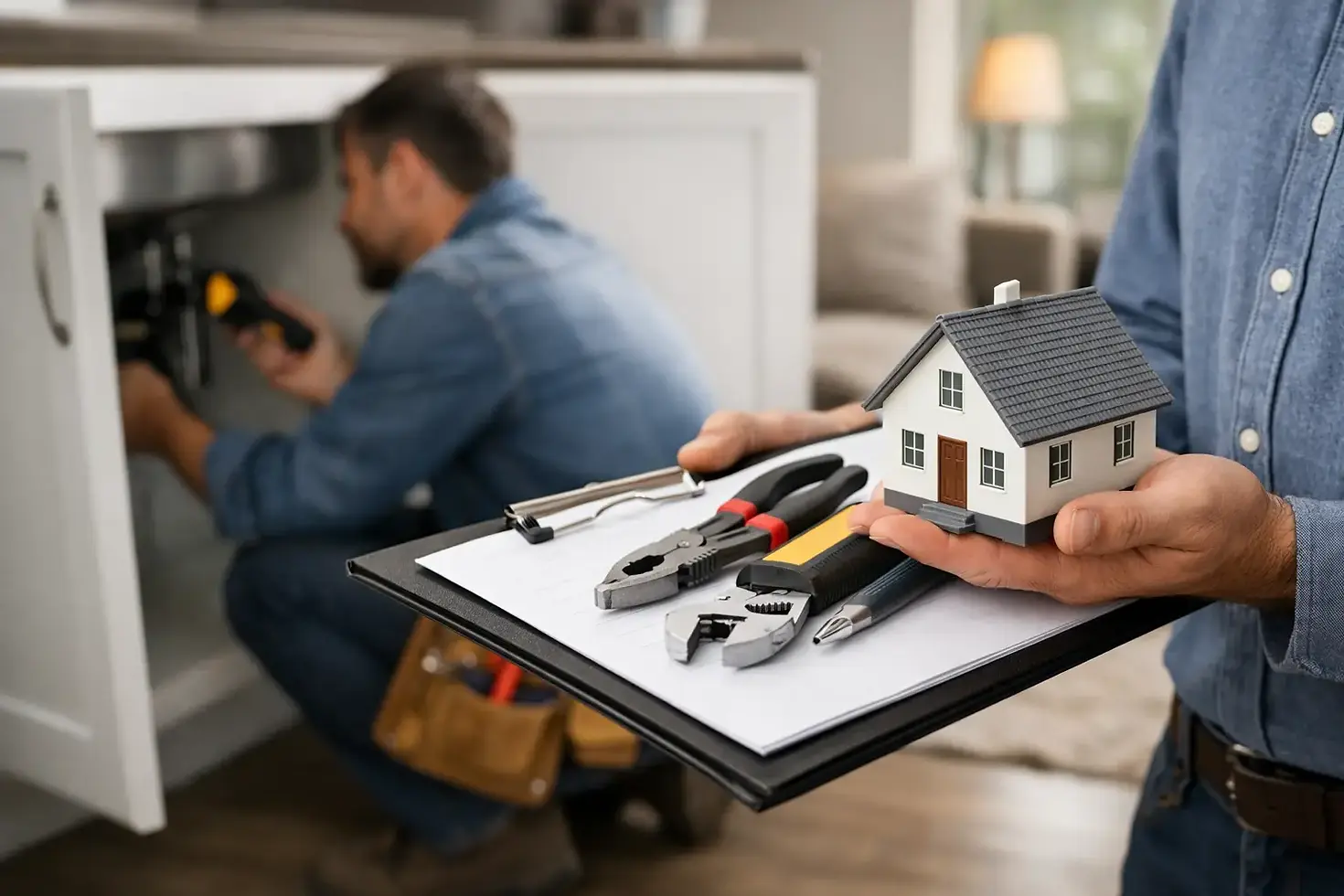
A tenant reports a slow leak under the kitchen sink, a loose stair rail, and a bedroom door that sticks. The temptation is to handle the visible inconvenience first. But the better question is: what repairs should landlords prioritize when time, budget, and tenant comfort all compete for attention? Start with issues that can injure someone, violate housing requirements, or turn into a much larger repair if left alone.
For Dayton-area landlords and property managers, a practical repair plan protects the resident, preserves the building, and helps avoid vacancy delays. Cosmetic work still matters, especially at turnover, but it should never move ahead of safety, water control, heat, or secure access.
Prioritize repairs by risk, not by appearance
A worn wall or dated light fixture may be the first thing a prospective tenant sees. A hidden plumbing leak, faulty outlet, or unstable handrail is usually the bigger problem. Good maintenance decisions come down to consequences: What happens if this repair waits a day, a week, or a month?
Use four questions to set the order:
Could this issue cause injury, fire, illness, or unsafe living conditions?
Is water, sewage, gas, or electricity involved?
Could the damage spread quickly to framing, flooring, drywall, or neighboring units?
Does the problem affect a tenant's ability to safely enter, exit, heat, cool, lock, or use the home?
If the answer is yes to any of these, it belongs near the top of the list. Document the tenant's report, your response, photos, and the completed work. Clear records are useful for maintenance planning and show that concerns were addressed responsibly.
1. Health and safety repairs come first
Safety-related repairs should be handled immediately or as quickly as the situation requires. This includes loose steps, broken handrails, damaged decks, trip hazards, unstable flooring, broken windows that create a security concern, and doors that will not lock or latch properly.
Electrical problems also deserve urgent attention. Hot outlets, repeated breaker trips, exposed wiring, flickering lights tied to a known wiring issue, or water near electrical components are not handyman shortcuts. They need a qualified professional and, when applicable, proper permits and inspections.
Smoke alarms and carbon monoxide alarms are small items with major consequences. Test them between tenants, replace expired units, and correct missing or nonfunctioning alarms promptly. Also address blocked exits, damaged egress windows, and exterior lighting problems that make entrances or walkways unsafe.
The exact legal requirements can vary by property type and local jurisdiction. Landlords should verify applicable Ohio and local housing rules rather than relying on a generic checklist. From a practical standpoint, if a condition could hurt a resident or prevent safe escape in an emergency, it should not wait for the next turnover.
2. Stop water damage before it spreads
Water is one of the most expensive forms of deferred maintenance. A small supply-line leak can soak cabinets, swell flooring, damage drywall, create mold conditions, and reach the unit below. By the time a stain appears on a ceiling, the repair may involve much more than plumbing.
Prioritize active leaks under sinks, around toilets, at water heaters, behind appliances, and from roofs or windows. Slow drains, recurring toilet backups, sewage odors, and soft flooring around bathrooms also need prompt investigation. The visible symptom is not always the source of the problem.
Roof leaks and exterior drainage issues are especially easy to postpone when the weather improves. That can be costly. Missing shingles, failed flashing, clogged gutters, damaged downspouts, and grading that directs water toward the foundation should be corrected before they cause interior damage. In the Miami Valley, freeze-thaw cycles can make small exterior openings worse quickly.
After the source is repaired, do not overlook the materials affected by moisture. Wet insulation, deteriorated subflooring, loose tile, stained drywall, and damaged trim may need repair or replacement to return the space to a clean, durable condition.
3. Restore heat, hot water, and essential plumbing
A rental must function as a home, not just look presentable. Loss of heat, unreliable hot water, a nonworking toilet, or a major plumbing failure can quickly become a tenant emergency. These repairs should take priority over planned upgrades and nonessential finish work.
Heating concerns deserve fast action, particularly during Ohio's colder months. A system that cycles constantly, produces little heat, has unusual odors, or leaves part of the home unheated should be evaluated before it fails completely. Change filters, check accessible vents, and schedule preventive service before peak heating season when possible.
For plumbing, a single nonworking fixture may be manageable in a home with other usable bathrooms or sinks, but that depends on the circumstances. A home with one toilet has no backup. A failed water heater affects daily living even if no water is visibly leaking. Treat essential-service repairs with the urgency they deserve, and communicate expected arrival and repair times clearly to tenants.
4. Secure doors, windows, and exterior access
Security repairs protect residents and reduce liability. Exterior doors should close correctly, latch securely, and have dependable locks. Repair damaged strike plates, loose hinges, warped door frames, broken deadbolts, and windows that will not lock. At turnover, rekeying or changing locks should be part of the standard process.
Exterior conditions matter, too. Loose fence gates, damaged porch steps, rotten deck boards, failing railings, and poor lighting can create a hazard before a tenant reaches the front door. These repairs may not feel as urgent as a burst pipe, but they should be scheduled ahead of cosmetic updates if they affect safe access or property security.
What repairs should landlords prioritize at turnover?
Turnover is the best time to catch small defects before they become tenant complaints. Once safety, moisture, mechanical systems, and security are addressed, focus on repairs that improve durability and rent readiness.
Start with walls, flooring, doors, cabinets, and fixtures. Patch drywall properly instead of repeatedly covering holes with quick touch-ups. Repair loose cabinet hinges, damaged drawer slides, sticking doors, cracked caulk, peeling paint, and worn transition strips. These details affect first impressions, but they also prevent further wear during the next lease term.
Flooring decisions depend on the condition and the expected use of the property. A small, isolated repair may be more cost-effective than replacement. If carpet is heavily stained, flooring is lifting, or the material has reached the end of its useful life, replacement can reduce recurring turnover labor. Durable finishes often cost more upfront but can make sense in high-traffic rentals.
Kitchen and bathroom upgrades should be evaluated separately from repairs. New counters, updated vanities, fresh tile, or improved lighting can support rent growth and tenant appeal, but only after the underlying plumbing, ventilation, subfloor, and electrical work are sound. Covering a problem with a nicer finish is not an upgrade.
Build a repair plan that prevents emergencies
The lowest-cost repair is often the one completed before a failure. Seasonal inspections help landlords identify loose caulk, roof concerns, deteriorating exterior wood, failing weatherstripping, slow drains, and minor drywall damage while the work is still straightforward.
A useful maintenance plan separates true emergencies from routine service and planned improvements. Keep a running property log for each unit, noting appliance age, water heater installation date, HVAC service history, roof condition, and recurring repair locations. Patterns matter. Three calls for the same drain or door often point to an underlying issue worth fixing correctly.
For landlords with multiple properties, using one dependable provider for plumbing repairs, drywall patches, door adjustments, painting, flooring fixes, and exterior maintenance can simplify scheduling and reduce the gaps between trades. NovaCraft Construction helps Dayton-area property owners address urgent repairs and turnover work with practical, coordinated service.
The goal is not to repair every imperfection the moment it appears. It is to make sound decisions: protect people first, stop damage second, restore essential living conditions third, and then invest in the improvements that keep your rental clean, durable, and ready for the next good tenant.



Comments